For safe long distance horse transport, choose a box-stall float with solid ventilation, get a vet fitness-to-travel sign-off before departure, and plan water stops every four hours. UC Davis veterinary guidance is direct: continuous head elevation in cross-tie stalls raises shipping fever risk, while box stalls let horses lower their heads and clear their airways naturally.
Three things to do first:
- Vet sign-off: Confirm fitness to travel, current vaccinations, and any high-risk conditions before loading.
- Float inspection: Check ventilation, flooring grip, ramp condition, and stall configuration.
- Rest and water plan: Schedule stops every four hours; bring your own water to avoid refusal from unfamiliar sources.
A 2015 Australian study recorded an overall transport-related incident rate of 2.8% on long-haul journeys, with severity rising after roughly 20 hours and a notable spike in spring.
Table of Contents
- What does a solid long distance horse transport checklist look like?
- What are the biggest health risks during equine long haul transport?
- Which float features actually reduce motion stress on long trips?
- How do you plan the timeline, costs, and rules for interstate moves?
- How do you monitor horses during transit and handle problems?
- What float cleaning and biosecurity steps protect your horse?
- Regencyfloats builds floats designed for Australian long-distance moves
- Key Takeaways
- Useful sources and further reading
What does a solid long distance horse transport checklist look like?
Documents to carry
- Interstate animal health certificate (required for most state crossings)
- Movement permits where applicable
- Current vaccination records (Hendra, strangles, tetanus)
- Microchip registration details
- Emergency contact list: your vet, a local equine vet along the route, and state biosecurity contacts
Horse preparation
- Vet fitness check within 48–72 hours of departure
- Dental and foot trim completed at least a week before travel
- Vaccinations current; discuss probiotics or electrolytes with your vet
- Short acclimation runs in the float in the days before the trip to reduce loading stress and cortisol spikes on the day
Float inspection
- Stall type confirmed (box stall preferred for trips over six hours)
- Ventilation openings clear and functional
- Flooring non-slip, clean, and bedded adequately
- Ramp hinges, latches, and anti-slip surface checked
- Tow coupling and suspension inspected
Trip kit
A front tack box keeps your kit organized and accessible. Pack: equine first-aid supplies, thermometer, spare halters and lead ropes, your own water containers, electrolyte sachets, soaked or steamed hay, grooming basics, and a copy of all paperwork.
Pro Tip: Offer soaked or steamed hay for the 24 hours before departure and throughout the trip. Horses that arrive well-hydrated have significantly lower impaction colic risk, and the moisture in the hay counts toward their fluid intake.
What are the biggest health risks during equine long haul transport?
The main risks are shipping fever (transport-related pneumonia), colic, dehydration, and heat stress. They are not random. Each one has a clear mechanism and a practical fix.
Shipping fever develops when horses are cross-tied with heads elevated for hours, preventing normal airway drainage. UC Davis transport research links poor ventilation and continuous head elevation directly to increased respiratory disease risk. Box stalls break that chain.
Colic and impaction are driven by reduced movement, dehydration, and feed changes. Long-haul transport guidance recommends pre-trip hydration, consistent forage access en route, and electrolytes under veterinary advice to keep gut motility going.
Horses travelling long distances can experience dehydration, weight loss, and respiratory disease. Planning hydration and gut health before and during the trip materially reduces these risks.
Dehydration is sneaky. Horses often refuse water that smells or tastes different from home. Bring your own water from the start, or add a small amount of apple juice to mask the unfamiliar taste.
Heat stress is a real concern in Australian conditions, particularly during spring and summer moves. The Australian long-haul study found spring journeys carried a higher proportion of severe outcomes. Plan departures for cooler parts of the day and prioritize cross-ventilation.
If a horse stops eating or drinking during transit, pull over at the next safe opportunity. Offer water, hand-walk for 10–15 minutes, and check temperature and respiratory rate. If temperature exceeds 38.5°C or the horse shows signs of colic (pawing, looking at flanks, refusing to stand), call an equine vet immediately.
Monitor closely for 24–72 hours after arrival. Delayed-onset respiratory illness and impaction colic can appear well after unloading, especially after longer trips.
Which float features actually reduce motion stress on long trips?
The vehicle environment is a clinical decision, not just a comfort preference. UC Davis Veterinary Medicine frames it exactly that way: design choices directly affect stress responses and health outcomes.

Stall type and space
Box stalls are the clear choice for interstate horse relocation. They allow head lowering, free movement for balance, and natural eating position from floor-level hay. Cross-ties keep the head elevated throughout the journey, which is the primary driver of shipping fever. For larger horses, stall width and headroom matter as much as length.

Ventilation
Passive vents alone are insufficient during stationary periods. UC Davis guidance notes that air quality inside a float is worst when the vehicle is stopped. Adjustable side vents, roof vents, and 12V-powered fans for use at rest stops make a measurable difference. Avoid positioning horses directly in a draft, but keep air moving.
Flooring and bedding
A shock-absorbing, non-slip floor is non-negotiable. Rubber matting with adequate drainage reduces fatigue and the risk of leg injuries from constant micro-adjustments. Bed with large-flake shavings or rubber crumb to a depth that cushions impact. Regencyfloats builds its floats with a state-of-the-art flooring system backed by a ten-year warranty, which is a meaningful signal of build quality for owners planning regular long-haul moves.
Suspension and ride quality
Air-ride or independent suspension dramatically reduces the vibration and jarring that cause fatigue and muscle soreness over long distances. Ask for manufacturer ride specifications before purchasing.
| Feature | Why it matters for long trips |
|---|---|
| Box stall | Allows head lowering; reduces shipping fever risk |
| Active ventilation | Maintains air quality during rest stops |
| Non-slip warrantied flooring | Reduces fatigue, leg strain, and injury risk |
| Air-ride suspension | Cuts vibration and motion stress over long distances |
| 12V power supply | Runs fans, cameras, and lighting during stops |
Pro Tip: Camera wiring and a 12V power supply are the two optional extras with the highest return for long-haul owners. A rear-facing camera lets you check on your horse without stopping, and powered fans keep air moving when you are parked.
How do you plan the timeline, costs, and rules for interstate moves?
Trip timeline by distance
- Short move (under 6 hours): One water and rest stop midway. Depart in the cool of the morning. Minimal feed disruption needed.
- Medium move (6–12 hours): Stop every four hours to water, offer hay, and observe. Two to three stops total. Consider an overnight rest if the horse is young, old, or high-risk.
- Long move (over 12 hours): Plan overnight layover at a secure, low-biosecurity-risk facility. Water every four hours minimum. Vet check recommended at the 12-hour mark or on arrival.
Cost considerations
Fuel is the dominant cost for owner-driven moves. Factor in overnight accommodation for handlers, additional feed and electrolytes, and any state entry fees or veterinary certificates. Interstate moves may require a National Vendor Declaration or state-specific movement permit. Quarantine costs apply if a horse is entering a biosecurity-controlled zone.
Australian regulatory reminders
Australia’s Australian Animal Welfare Standards and Guidelines for Land Transport of Livestock set baseline welfare requirements for transport. Each state has its own biosecurity and movement permit rules. Check your destination state’s agriculture department website before departure. For Queensland moves, Brisbane-area buyers should confirm current permit requirements with Biosecurity Queensland.
Pro Tip: Download the relevant state biosecurity app or PDF before you leave mobile coverage. In remote stretches of Australia, you will not have reliable data to look up permit requirements on the road.
How do you monitor horses during transit and handle problems?
Routine checks
Stop every four hours. At each stop, check: respiratory rate (normal resting is 8–16 breaths per minute), nasal discharge, sweating beyond normal exertion, posture in the stall, and whether the horse is eating and drinking. A horse that is quiet, eating, and balanced is doing well.
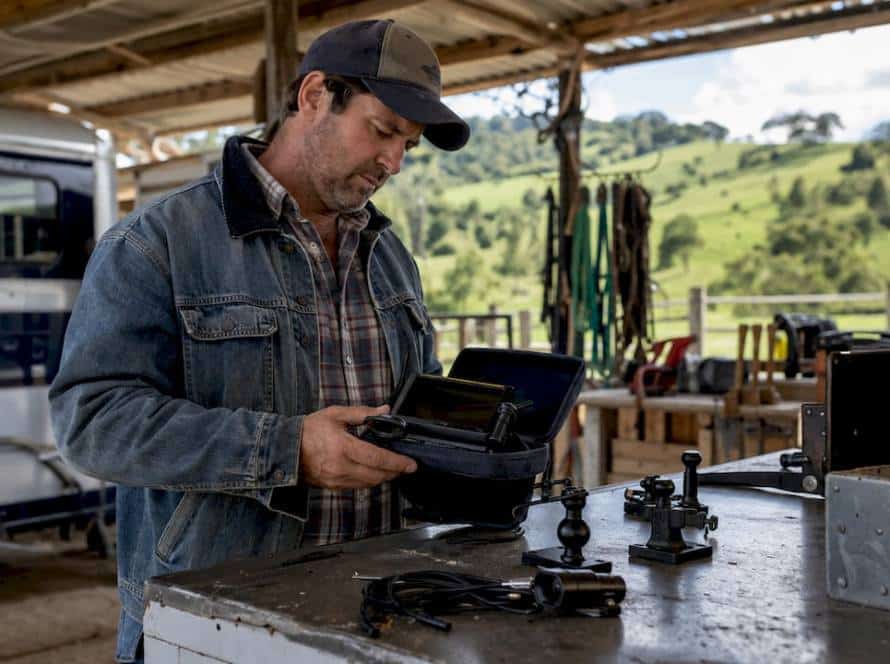
Use a rear-facing camera between stops. Remote visual inspection technology has advanced significantly, and even a basic wireless camera mounted in the float gives you real-time visibility without stopping.
Emergency response steps
- Pull over safely and completely off the road before entering the float.
- Assess: temperature, heart rate, respiratory rate, gut sounds, gum color.
- If temperature is above 38.5°C, heart rate above 60 bpm at rest, or gums are pale or tacky, call an equine vet immediately.
- Have your paperwork and the horse’s health history accessible for the attending vet.
- Document everything: time, symptoms, location, and actions taken.
Pro Tip: Never enter a float with a distressed horse without a second person present. A panicking horse in a confined space is dangerous. Your safety comes first. Open the ramp, give the horse a moment to settle, then approach calmly from the side.
What float cleaning and biosecurity steps protect your horse?
Pre- and post-trip cleaning checklist
- Remove all organic material (manure, soiled bedding, hay) completely before disinfecting.
- Apply a registered equine-safe disinfectant to all surfaces, including mats, walls, and the ramp.
- Allow full drying before re-bedding. Wet surfaces under mats breed bacteria.
- Inspect drains and mat edges for trapped material after every long trip.
Maintenance schedule
| Check | Frequency |
|---|---|
| Tyre pressure and condition | Before every trip |
| Wheel bearings and brakes | Annually |
| Ramp hinges and latches | Before every trip |
| Ventilation fans and electrics | Pre-trip and post-trip |
| Flooring and mat condition | Monthly and after every long trip |
| Suspension components | Annually or per manufacturer schedule |
Professional transport operations treat biosecurity and maintenance as part of the same chain of care. The same logic applies to private owners.
Biosecurity habits
Avoid communal yards and shared water troughs at rest stops where possible. If you must use a shared facility, disinfect buckets before and after. Keep all movement paperwork in a waterproof folder in the float at all times.
Pro Tip: A simple DIY check that catches most developing issues: grab each wheel and try to rock it side to side before a long trip. Any play in the bearing is a warning sign. Five seconds per wheel, every time.
Regencyfloats builds floats designed for Australian long-distance moves

Forty-plus years of Australian manufacturing experience shows up in the details that matter most for long-haul travel: box-stall configurations that let horses lower their heads, active ventilation systems, and a flooring system backed by a ten-year warranty. Regencyfloats designs are customizable, so you can specify stall width, partition type, extra vents, camera wiring, and 12V power before the float is built.
For owners planning regular interstate horse relocation, the difference between a float built for long trips and one that is not shows up in your horse’s condition on arrival. Regencyfloats delivers Australia-wide, with in-stock floats available for fast turnaround and state-specific pages for Perth, Adelaide, and Tasmania buyers. View the current range and request a specification sheet or in-person inspection at regencyfloats.com.au.
Key Takeaways
Safe long distance horse transport requires a box-stall float with active ventilation, a vet fitness check, a four-hour watering schedule, and post-arrival monitoring for at least 24 hours.
| Point | Details |
|---|---|
| Vet check before departure | Confirm fitness to travel, vaccinations, and any high-risk conditions within 48–72 hours of loading. |
| Choose a box-stall float | Box stalls allow head lowering, which clears airways and directly reduces shipping fever risk. |
| Ventilation and flooring | Active ventilation during stops and non-slip, shock-absorbing flooring reduce fatigue and respiratory risk. |
| Four-hour rest and water stops | Stop every four hours to water, observe, and offer hay; bring your own water to prevent refusal. |
| Regencyfloats for long-haul builds | Regencyfloats offers box-stall configurations, warrantied flooring, and custom ventilation for Australian long-distance transport. |
What experienced owners do differently
Most people focus on the horse and forget the float environment is a health decision. The habit that makes the biggest difference on long trips is running two or three short acclimation loads in the weeks before a major move. A horse that loads calmly and stands quietly in the float before the real trip arrives is already less stressed, less likely to sweat excessively, and more likely to drink at stops. Combine that with a rear camera check every two hours and large-flake shavings bedded generously enough that the horse is not standing on bare rubber, and you have covered the three variables that most owners underestimate. The float itself matters too. A well-ventilated, properly floored box-stall float is not a luxury for long-distance equine transport. It is the baseline.
Useful sources and further reading
- Health problems and risk factors associated with long haul transport of horses in Australia — peer-reviewed Australian study on transport incident rates, duration, and seasonal risk.
- Transporting Horses by Road and Air — UC Davis — veterinary guidance on box stalls, ventilation, and shipping fever prevention.
- UC Davis Equine Health — broader equine transport and welfare resources from UC Davis Veterinary Medicine.
- Long Distance Travel with Horses — Mad Barn — practical nutrition, hydration, and gut health guidance for long-haul trailering.
- Welfare of Equidae During Transport — PMC/EFSA — comprehensive scientific review of welfare consequences across all transport stages.
- IRT International Horse Transport — professional hauler guidance on biosecurity, logistics, and chain-of-care standards.
- Australian Animal Welfare Standards and Guidelines for Land Transport of Livestock — available through the Australian Department of Agriculture, Fisheries and Forestry.
- State biosecurity and movement permit requirements — check your destination state’s agriculture department website before any interstate move.