Most Australian horse float manufacturer warranties cover structural and chassis faults for a defined period, while the Australian Consumer Law (ACL) gives you automatic guarantees on top of whatever the manufacturer promises. Understanding both layers is what separates owners who get repairs covered from those who pay out of pocket.
Five things to do the day you take delivery:
- Register your warranty with the manufacturer in writing and keep the confirmation.
- Retain proof of purchase (tax invoice or receipt) in a dedicated folder, physical and digital.
- Book your initial service at the kilometre or time milestone the manufacturer specifies, and get the logbook stamped.
- Photograph every panel, weld, and fitting before the float leaves the yard, with timestamps.
- Report any defect in writing as soon as you notice it — some makers require notification within seven days.
The key distinction: a voluntary manufacturer warranty is a contractual promise the maker chooses to offer. ACL consumer guarantees are automatic legal rights that exist regardless of what the warranty document says, and no warranty clause can take them away.
Key takeaways
Understanding your horse float warranty coverage means knowing both the manufacturer’s written terms and your automatic ACL rights — together, they define the full protection you have.
| Point | Details |
|---|---|
| ACL rights are automatic | Consumer guarantees apply regardless of what the manufacturer warranty says and cannot be removed by any warranty clause. |
| Register and document immediately | Register your warranty, retain proof of purchase, and photograph the float at delivery to protect every future claim. |
| Meet service milestones | Missing an initial service check (e.g. 1,500 km or six months) can void a manufacturer warranty claim entirely. |
| Extended warranties have per-claim caps | Third-party plans like Integrity Horse Float Level 1 have per-claim caps for approved components — read the PDS before buying. |
| Regencyfloats offers a ten-year flooring warranty | Regencyfloats backs its flooring system with a ten-year warranty and publishes the full schedule online for buyer review. |
Table of Contents
- What horse float warranty coverage typically looks like from Australian makers
- What warranties commonly exclude — and the clauses that catch owners off guard
- How the Australian Consumer Law interacts with your manufacturer warranty
- How to make a successful warranty claim in Australia
- Extended horse float warranties in Australia — what they add and when they are worth it
- Regency Floats’ warranty: what is covered and how to use it
- Why Regencyfloats is worth considering when warranty terms matter
- Sources
- FAQ
What horse float warranty coverage typically looks like from Australian makers
Australian horse float manufacturers generally split their warranty coverage into two or three tiers, and the gap between them is wider than most buyers expect.

Structural and chassis warranties cover the frame, main body structure, and chassis welds against manufacturing defects. These tend to run the longest — commonly for a multi-year period depending on the maker and the materials used. Aluminium-frame floats often attract longer structural terms than steel-frame equivalents because corrosion risk is lower.

Workmanship and parts warranties cover components fitted during manufacture: roof frames, body panels, axles (where explicitly included), electrical systems, lights, and attachments. The workmanship and parts warranty typically lasts around a year, though some makers extend it longer for specific components.
Extended or voluntary manufacturer warranties are additional promises some makers offer beyond the standard terms, sometimes tied to a service schedule or registration requirement. These sit on top of statutory rights but are entirely at the maker’s discretion.
Voluntary manufacturer warranties are extra promises that complement, but do not replace, statutory consumer guarantees — so even a short manufacturer warranty does not reduce what you are owed under the ACL.
Warranty type glossary
| Term | What it means |
|---|---|
| Structural warranty | Covers the frame, chassis, and main body welds against manufacturing defects for a set period |
| Comprehensive warranty | Covers workmanship and fitted parts (panels, axles, electrics) — usually shorter than structural cover |
| Extended warranty | A paid or voluntary add-on that extends cover beyond the standard manufacturer terms |
| Express warranty | Any written or verbal promise made by the seller at point of sale — enforceable alongside ACL rights |
Commonly covered components
- Chassis and main frame welds
- Roof frame and structural body panels
- Axles (check whether your warranty explicitly names these — not all do)
- Electrical systems and lighting harnesses
- Manufacturer-fitted attachments and hardware
Coverage varies significantly between makers, so read the warranty schedule before you sign, not after.
What warranties commonly exclude — and the clauses that catch owners off guard
The exclusions list in a horse float warranty is usually longer than the coverage list. Knowing what is not covered is just as important as knowing what is.
Common exclusions across Australian float warranties:
- Normal wear and tear on any component
- Cosmetic damage (scratches, dents, paint chips) not caused by a manufacturing fault
- Damage caused by horses — chewing, kicking, or rubbing against fittings
- Tyres and wheel bearings
- Consumables (brake pads, light globes, seals)
- Living-quarters appliances (fridges, hot water systems, air conditioning)
- Water damage unless it enters through a listed structural entry point
- Rust or corrosion resulting from misuse, neglect, or modifications
- Damage from modifications made after delivery
Beyond the exclusions list, there are conditions precedent — things you must do for a claim to be valid at all. Missing an initial service milestone (a common example is a 1,500 km or six-month check) can void the entire warranty, not just the component that failed. Many makers also require repairs to be carried out by an authorised repairer, and some require written prior authorisation before any repair work begins. Starting repairs without that authorisation is one of the most common reasons claims are declined.
Notification time limits are another trap. Some manufacturers include language requiring you to report a defect within seven days of discovery. An email to the manufacturer with photos and a description, sent the day you notice the problem, is far stronger evidence than a phone call you made a month later.

Pro Tip: Keep a dedicated warranty folder — physical or cloud-based — with your proof of purchase, warranty card, stamped service logbook, dated photos of any defect, and every email or written communication with the manufacturer. If a claim is ever disputed, this folder is your case.
How you use the float also matters. Using a float for commercial hire, or towing it with a vehicle clearly outside the manufacturer’s stated towing capacity, can be treated as abnormal use. That can limit both your warranty claim and your ACL consumer guarantee rights, as ACCC guidance on motor vehicle and trailer use makes clear. If you are unsure whether your towing setup qualifies, check the manufacturer’s specifications before you tow.
How the Australian Consumer Law interacts with your manufacturer warranty
ACL consumer guarantees are not optional extras — they apply automatically to every horse float sold in Australia, and no warranty document can remove them.
Under the ACL, every horse float sold to a consumer must be of acceptable quality, fit for the purpose it was sold for, and match the description given at the point of sale. Consumer guarantees under the ACL provide automatic rights and remedies that may include repair, replacement, or refund — and those remedies exist whether or not the manufacturer’s written warranty has expired.
The ACL guarantee is not a warranty. It is a legal right. A manufacturer cannot write a warranty clause that says “our warranty is your only remedy” and have that clause override the ACL. If a float fails to meet acceptable quality within a reasonable time, you have statutory remedies regardless of what the warranty document says. The ACCC is explicit: voluntary warranties are additional to, not a replacement for, statutory consumer guarantees.
What ACL remedies look like in practice:
- Minor failure: the supplier can choose to repair, replace, or refund.
- Major failure: you can choose to keep the goods and seek compensation, return them for a refund, or have them replaced.
- Consequential loss: if the failure causes additional loss (for example, you had to hire alternative transport for your horses), you may be entitled to compensation for that too.
The limits of ACL protection are worth understanding. If a float is used in a way that falls outside its intended purpose — towing with an undersized vehicle is the example the ACCC uses — the “abnormal use” argument can reduce or remove your entitlement. Commercial use is another grey area: ACL consumer guarantees apply to goods acquired primarily for personal, domestic, or household use, and a float used predominantly for commercial hire may not qualify.
Tribunal precedent matters here. In Thompson v Stallion Floats Pty Ltd [2021] VCAT 1325, VCAT ordered remedies where a horse float failed to meet advertised specifications under ACL s54. The case illustrates something buyers often overlook: the spec sheet and marketing materials you were shown at the point of sale can become enforceable expectations. Keep them.
If a manufacturer tries to refuse a warranty claim because you missed a service milestone, that does not automatically extinguish your ACL rights for a manufacturing defect. A fault that existed at the time of manufacture is a different matter from a fault caused by lack of servicing. The two questions are separate, and conflating them is a common tactic in disputed claims.
How to make a successful warranty claim in Australia
A well-documented claim moves faster and is harder to deny. Here is the process that gives you the best outcome.
- Confirm your coverage. Pull out the warranty schedule and check whether the fault falls within the covered components, the warranty period, and any conditions (authorised repairers, prior authorisation requirements).
- Gather proof of purchase. Tax invoice, receipt, or order confirmation — whichever you have. No receipt does not automatically mean no claim; under the ACL, a bank statement or credit card record can substitute.
- Photograph the defect thoroughly. Multiple angles, close-up and wide, with the date stamp visible. Video is useful for faults that are intermittent.
- Contact the supplier in writing. Email is better than phone because it creates a timestamped record. State the fault, when you first noticed it, and what you are requesting (repair, replacement, or refund).
- Request prior authorisation before any repair work begins. If the warranty requires it, getting repairs done first and asking for reimbursement later is a common reason claims fail.
- Keep records of all correspondence. Every email, every reply, every phone call (note the date, time, and what was said).
Document checklist:
- Proof of purchase (tax invoice or bank statement)
- Warranty card or warranty schedule
- Stamped service logbook
- Dated photos and/or video of the defect
- All written correspondence with the manufacturer or dealer
- Any repair quotes or inspection reports
Typical timelines: Acknowledgement of a claim usually comes within a few business days. Assessment (which may require an inspection by an authorised repairer) can take one to three weeks. Resolution — repair, replacement, or refund — varies widely depending on parts availability and the complexity of the fault.
If your claim is denied: Start with a written dispute to the supplier, referencing the specific warranty term or ACL guarantee you believe applies. If that fails, escalate to your state or territory fair trading office, or lodge a complaint with the ACCC. For amounts that justify it, the relevant state tribunal (VCAT in Victoria, NCAT in NSW, QCAT in Queensland) can order remedies — and as the Thompson v Stallion Floats decision shows, tribunals take advertised specifications seriously.
Extended horse float warranties in Australia — what they add and when they are worth it
An extended warranty is a separate contract, not an automatic extension of your manufacturer warranty. That distinction matters because it means the terms, exclusions, and claim process are governed by the extended warranty’s own Product Disclosure Statement (PDS), not by the manufacturer’s original document.
The Integrity Horse Float Level 1 plan listed on WarrantyFinder is a concrete example of how these products are structured. It offers per-claim caps for listed components and specified water ingress, with optional roadside assistance available. Cover is subject to eligibility checks and the terms of the PDS. That $2,500 per-claim cap is the maximum contribution, not a guaranteed payout — and it only applies to components explicitly listed in the PDS.
Extended warranty products commonly operate as discretionary contribution schemes rather than open-ended insurance. The WarrantyFinder horse float extended warranty listing emphasises reading the PDS and checking eligibility criteria before purchasing — advice worth taking seriously.
Before buying any extended warranty, check:
- Per-claim maximums for structural components, water ingress, and electrical faults
- Age and condition eligibility limits (many plans exclude floats over a certain age or with pre-existing damage)
- Whether living-quarters appliances are covered or excluded
- Roadside assistance terms — is it included or an add-on?
- Whether repairs require prior authorisation and which repairers are approved
- The claims process and typical resolution timeframe
When extended cover makes sense:
- The float is older and outside the original manufacturer warranty period
- The manufacturer’s standard warranty is short (12 months) and the float will see heavy use
- You are buying a pre-owned float with limited remaining manufacturer cover
- The repair costs for the components covered would exceed the plan’s annual premium
When ACL plus manufacturer warranty may be enough:
- The float is new with a multi-year structural warranty from a reputable maker
- The manufacturer’s warranty terms are clearly documented and the service network is accessible
- The float is used lightly and stored well
Regency Floats’ warranty: what is covered and how to use it
Regencyfloats backs its floats with a ten-year warranty on its flooring system — one of the longer flooring-specific terms in the Australian market. The structural warranty covers manufacturing defects in the frame and chassis, and the full warranty schedule is available on the Regency website for buyers to review before purchase.
Key features of the Regency warranty:
- Ten-year warranty on the state-of-the-art flooring system
- Structural coverage for frame and chassis manufacturing defects
- Warranty terms documented in a published schedule, accessible before and after purchase
- Claims handled through Regency’s direct customer service channel
To lodge a claim, contact Regencyfloats in writing with your proof of purchase, the warranty schedule reference, dated photos of the defect, and your service history. Regency’s team will advise on the next steps, including whether an inspection by an authorised repairer is required.
Regencyfloats has over 20 years of manufacturing experience and builds its floats from premium aluminium for corrosion resistance and long-term durability — both of which reduce the likelihood of structural warranty claims in the first place. For buyers comparing Australian horse float manufacturers, the combination of a published warranty schedule and a ten-year flooring term is a meaningful point of difference.
Pro Tip: Download the Regency warranty schedule at the time of purchase and store it with your proof of purchase. Warranty terms can be updated; having the version that applied at your purchase date protects you if a dispute arises later.
Why Regencyfloats is worth considering when warranty terms matter
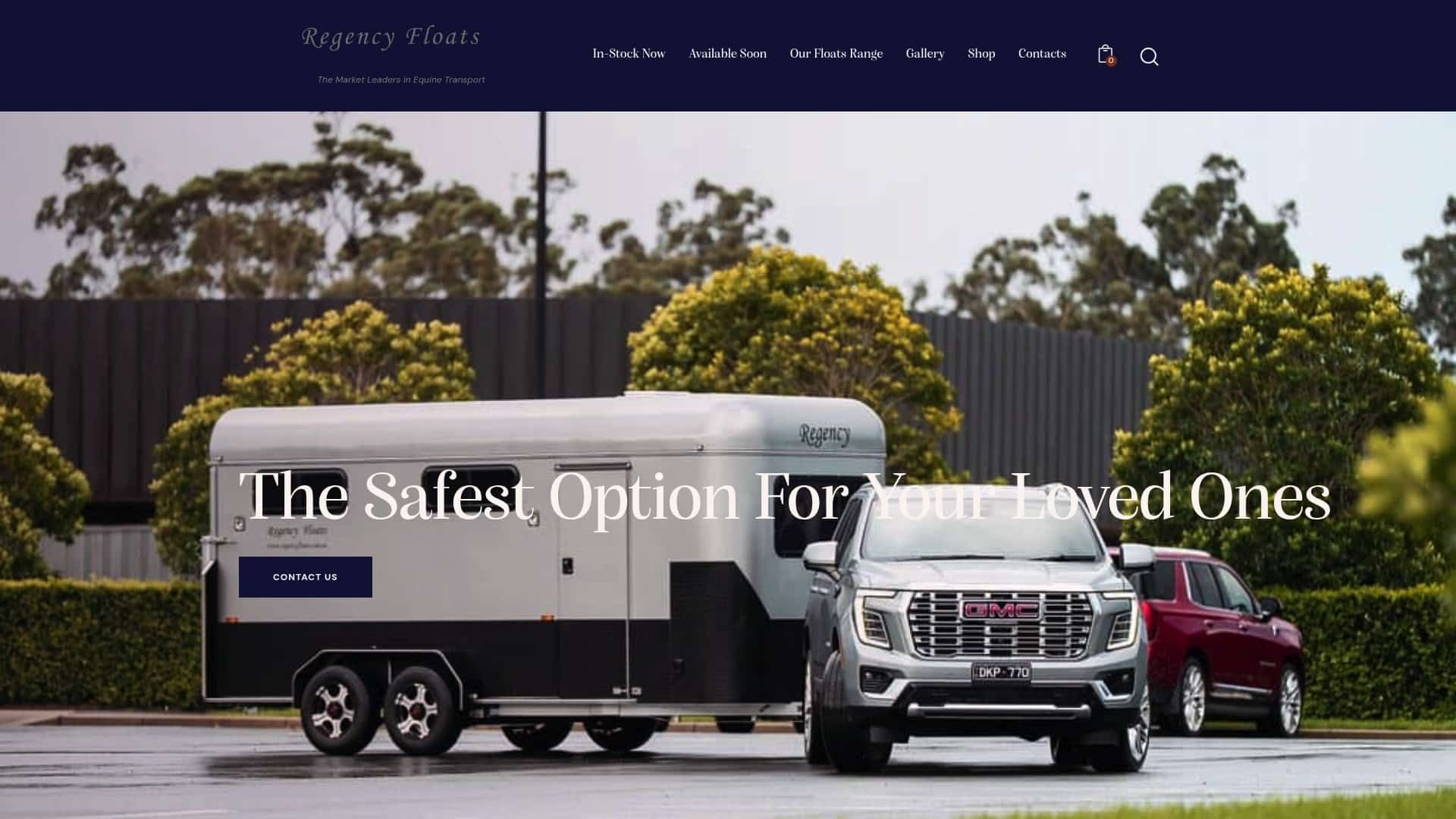
For buyers who want structural cover they can actually read before signing, Regencyfloats publishes its full warranty schedule online — no chasing paperwork after delivery. The ten-year flooring warranty is backed by premium aluminium construction that is built to handle Australian conditions, from long-haul competition transport to everyday paddock runs.
Regencyfloats builds and sells direct, which means the warranty relationship is with the manufacturer, not a third-party dealer. That matters when a claim arises: you are dealing with the people who built the float, not a middleman who has to refer the decision elsewhere.
To see the full warranty terms, view the Regency warranty page or browse current models with warranty coverage included to find the right float for your needs. Contact the Regency team directly to request a Warranty Schedule or book a pre-delivery inspection before taking delivery.
Sources
Before making any warranty decision, consult these primary sources directly:
- Consumer guarantees | ACCC
Always refer to the warranty schedule or PDS that was current at the date of your purchase, not a later version.
FAQ
What does a horse float warranty typically cover in Australia?
Most manufacturer warranties cover structural and chassis defects for two to ten years, with a shorter 12-month term for workmanship and fitted parts such as panels, axles, and electrical systems. ACL consumer guarantees also apply automatically, covering acceptable quality, fit for purpose, and match to description regardless of the manufacturer’s written warranty.
What is not covered in a horse float warranty?
Standard exclusions include normal wear and tear, tyre and bearing replacement, cosmetic damage, horse-caused damage (chewing or kicking), living-quarters appliances, and modifications made after delivery. Water damage is usually only covered if it enters through a listed structural fault, not through user-caused gaps or wear.
Can I still claim warranty without a receipt?
Under the ACL, a receipt is not the only acceptable proof of purchase — a bank statement, credit card record, or order confirmation can substitute. Manufacturer warranty claims may have stricter requirements, so check the warranty schedule; but for ACL-based claims, the ACCC confirms consumers retain rights even without the original receipt.
How does the warranty claim process work in Australia?
Contact the supplier in writing as soon as you notice a defect, include dated photos and your service history, and request prior authorisation before any repair work begins. If the claim is denied, escalate to your state fair trading office or the relevant tribunal (VCAT, NCAT, or QCAT depending on your state).
Can you tow a horse float without electric brakes?
Australian road rules generally require electric brakes on trailers above a certain gross trailer mass, and towing a float outside those requirements can be treated as abnormal use — potentially voiding both the manufacturer warranty and ACL protections. Check your state’s road rules and the float manufacturer’s towing specifications before every trip.