Horse float insurance is defined as vehicle-specific coverage that protects the trailer or float used to transport horses against physical damage, theft, and third-party liability. It does not cover the horses themselves. That distinction matters more than most owners realize, because a single accident on a rural highway can produce repair bills, liability claims, and legal costs that no standard auto or farm policy will fully absorb. Understanding what equine transport insurance actually covers, where it stops, and how Australian regulations affect its validity is the foundation of protecting a significant financial investment.
What does horse float insurance typically cover?
Horse float insurance covers the physical structure of the float and the financial risks created by operating it on public roads. The core coverages fall into three categories.
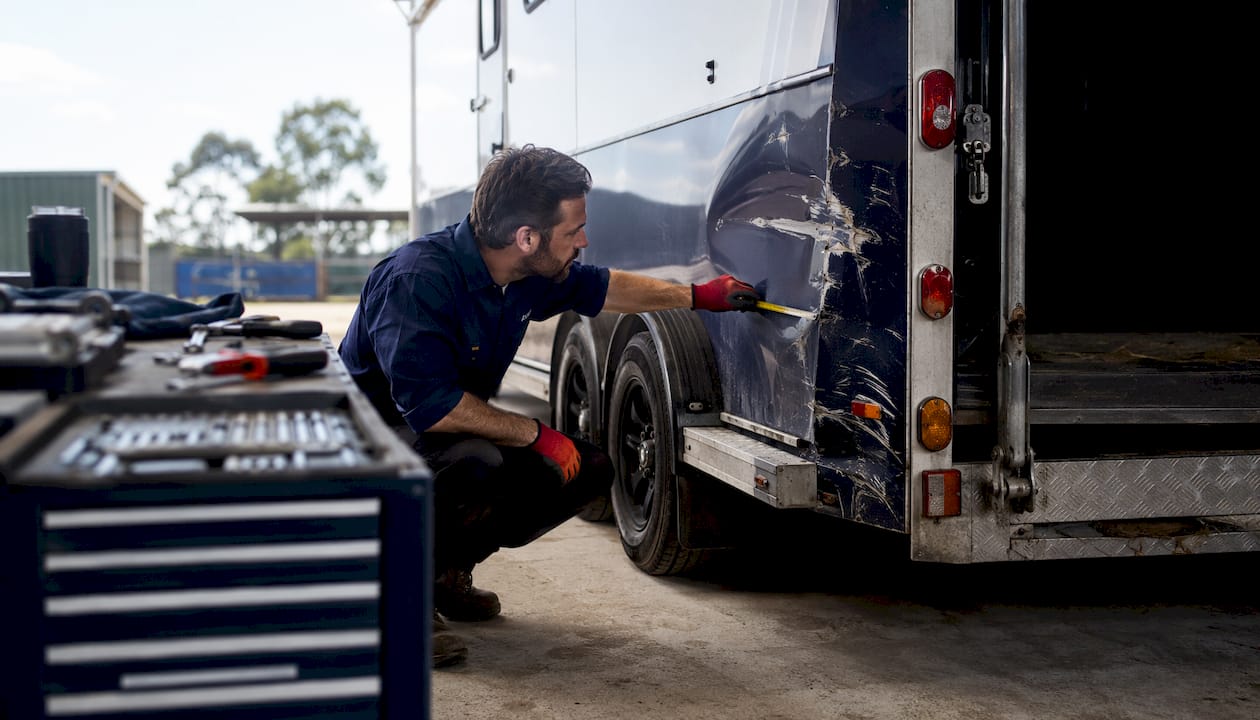
Physical damage pays for repairs or replacement when the float is damaged by collision, fire, storm, or theft. This is the most straightforward part of any trailer insurance for horses, and it applies whether the float is attached to a tow vehicle or parked on your property.
 Third-party liability
 covers property damage and bodily injury you cause to others while towing.
Commercial public liability for horse transport is typically set at $10 million to $20 million. That range reflects the real financial exposure when a loaded float is involved in a serious accident.
Optional add-ons commonly include roadside assistance, emergency accommodation costs, and hire vehicle expenses while your float is being repaired. These extras are worth pricing because a breakdown 400 kilometers from home is a genuine scenario for Australian horse owners.
One boundary is absolute:
float policies cover the vehicle, not the horses inside it. Veterinary costs during transit, horse mortality, and medical expenses require a separate equine policy entirely.
| Coverage type |
What it includes |
| Physical damage |
Collision, fire, theft, storm damage to the float |
| Third-party liability |
Property damage and bodily injury to others |
| Roadside assistance |
Towing, breakdown support, emergency costs |
| Hire vehicle costs |
Replacement transport while float is repaired |
| Horse injuries or vet fees |
Not included. Requires a separate equine policy |
Pro Tip: Always read the “exclusions” section of any horse trailer coverage policy before signing. Exclusions for commercial use, overloading, or unlicensed towing can void a claim entirely.
How does float insurance differ from equine transit insurance?
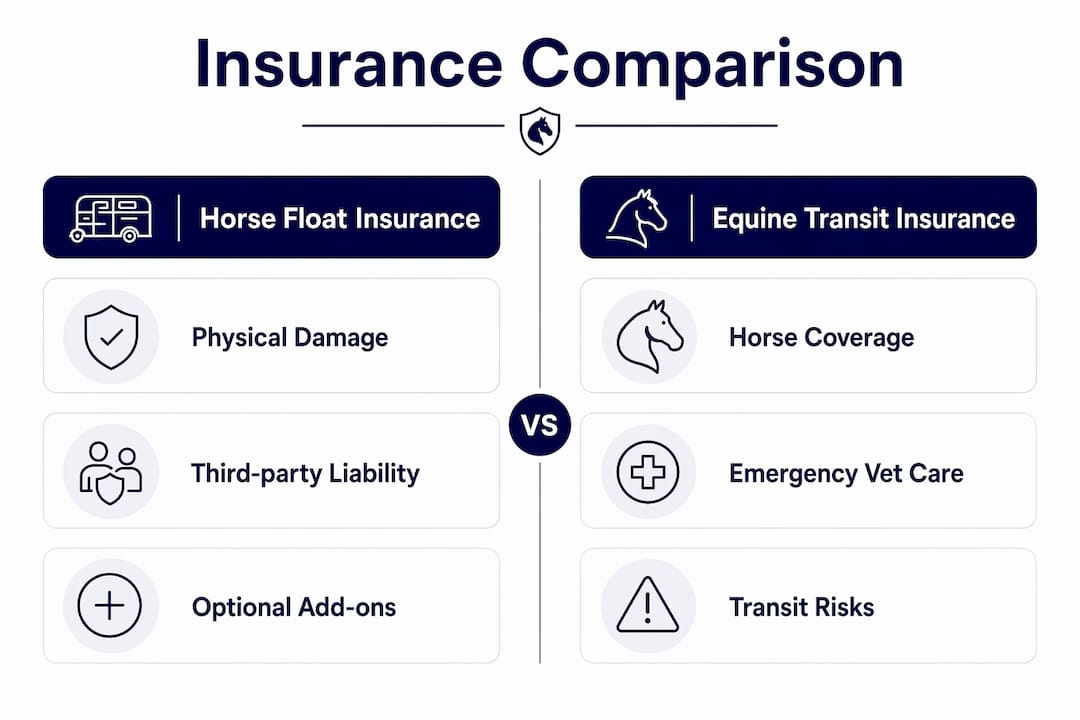
The two policy types protect entirely different assets, and confusing them is the most common and costly mistake horse owners make. Horse float insurance covers the vehicle. Equine transit insurance covers the animals inside it.
Veterinary coverage during transit is limited under most float policies to emergencies directly caused by an accident. Routine illness, stress-related conditions, or injuries that occur without a collision are not covered. A horse worth $50,000 or more needs a standalone equine mortality and medical policy to be properly protected.
The gap between the two policies is where owners get hurt financially. Consider a scenario where a float rolls in a highway accident. The float policy pays for the vehicle. Without a separate transit policy, the owner absorbs the full cost of any horse injuries, emergency vet fees, and potential loss of the animal.
Experts recommend maintaining separate policies for the vehicle and the horse to avoid these gaps. Some equine policies include a transit vet fee add-on, which covers emergency treatment during transport. That add-on is not a substitute for a full equine mortality policy, but it closes the most urgent gap.
Here is how the two coverage types compare:
- Float insurance covers: physical damage to the vehicle, third-party liability, theft, fire, storm
- Float insurance does not cover: horse injuries, vet fees, horse mortality, horse medical costs
- Equine transit insurance covers: emergency vet fees during transport, horse mortality, accidental injury to the animal
- Equine transit insurance does not cover: damage to the float, towing vehicle liability, roadside assistance
Pro Tip: If you transport client-owned horses commercially, you also need Care, Custody, and Control (CCC) liability insurance. Standard public liability excludes property in your direct control, which means a client’s horse is not covered without CCC.
What regulatory requirements affect horse float insurance validity?
Compliance with transport regulations is not just a legal obligation. It directly determines whether your insurance claim gets paid.
Failing to meet certification requirements can invalidate coverage and expose you to full financial liability.
The regulatory picture varies by jurisdiction, but the principles are consistent. Here are the key compliance steps that affect insurance validity in Australia and comparable markets:
- Confirm your transport license. Commercial operators transporting horses for payment need a transport license. Operating without one typically voids commercial horse float liability insurance.
- Obtain an animal transport certificate. Most jurisdictions require documentation that horses are fit for transport and that the vehicle meets welfare standards.
- Meet journey duration thresholds. UK regulations, as a comparable benchmark, require a certificate of competence for journeys over 65 kilometers and vehicle approval certificates for trips exceeding 8 hours. Australian state regulations follow similar welfare-based thresholds.
- Maintain vehicle roadworthiness records. Insurers can deny claims if the float was not roadworthy at the time of an incident. Keep service records and annual inspection certificates.
- Declare commercial use accurately. If you transport horses for payment, declare it. Accurate compliance with regulatory mandates is the single most important factor in keeping your coverage valid.
Regulations in Australia are administered at the state level, so requirements in Queensland differ from those in Western Australia or South Australia. Check with your state’s Department of Agriculture or Primary Industries for the current rules in your region.
What are common misconceptions about insuring horse floats?
The most expensive insurance mistake is assuming existing policies already provide adequate coverage. Standard farm or auto insurance typically provides limited or no protection for horses being transported or for liability tied to commercial equine transport. Many owners discover this only after a claim is denied.
Four misconceptions consistently lead to coverage gaps:
- “My car insurance covers the float.” A towing vehicle’s policy may extend third-party liability to a trailer in some cases, but it rarely covers physical damage to the float itself. Verify this explicitly with your insurer.
- “My farm policy covers everything on the property.” Farm policies cover stationary assets. Once the float is on a public road, farm coverage typically ends.
- “My private float policy covers commercial trips.” Using a private policy for commercial hire and reward transportation invalidates coverage. If you charge for transport, you need a commercial policy.
- “A motorized horsebox and a horse trailer need the same policy.” They do not. A motorized horsebox requires a standalone motor vehicle policy. A horse trailer supplements the towing vehicle’s policy. Mixing these up produces gaps that insurers will exploit at claim time.
Pro Tip: Before your next transport job, call your insurer and ask one direct question: “Does this policy cover me if I am paid to transport someone else’s horse?” The answer will tell you everything you need to know about your actual coverage.
How can you select the best horse float insurance policy?
Choosing the right horse ownership insurance for your float comes down to matching the policy to how you actually use the vehicle. The best horse float insurance for a weekend trail rider looks very different from what a professional competition transporter needs.
- Calculate your float’s replacement value. Insure for the current market value, not the purchase price. A float depreciates, and underinsuring means a shortfall at claim time.
- Classify your usage accurately. Private use, occasional agistment transport, and commercial hire are three different risk categories. Each requires a different policy type.
- Confirm liability limits. For commercial operators, liability coverage of $10 million to $20 million is the industry standard. Private owners should carry at least $5 million in third-party liability.
- Compare deductibles against premiums. A lower premium with a high deductible can leave you exposed on smaller claims. Run the numbers for the most likely claim scenarios, not just catastrophic ones.
- Read the exclusions list carefully. Look specifically for exclusions around commercial use, overloading, unlicensed drivers, and non-roadworthy vehicles. These are the four most common grounds for denied claims.
- Bundle with equine transit coverage. Buying both policies from the same insurer sometimes reduces premiums and eliminates coverage gaps at the boundary between the two policies.
Trailer insurance costs for standard units typically run $100–$400 per year, while specialized living quarter trailers can reach $800–$5,000 annually depending on value and coverage limits. That range gives you a realistic benchmark when comparing quotes.
Key Takeaways
Horse float insurance covers the vehicle and its associated liabilities, not the horses inside it, and combining it with a separate equine transit policy is the only way to achieve complete protection during transport.
| Point |
Details |
| Float covers the vehicle only |
Physical damage, theft, and liability are covered. Horse injuries require a separate policy. |
| Commercial use voids private policies |
Declare commercial transport accurately or risk a denied claim at the worst possible time. |
| Regulatory compliance protects coverage |
Missing transport certifications or licenses can invalidate your insurance entirely. |
| CCC liability fills a critical gap |
Commercial haulers need Care, Custody, and Control coverage because standard liability excludes animals in their care. |
| Cost benchmarks help you compare |
Standard trailer coverage runs $100–$400 per year. Specialized floats can reach $5,000 annually. |
Why I think most horse owners are underinsured and don’t know it
After years of working in the equine industry, the pattern I see most often is not deliberate underinsurance. It is assumed coverage. Owners buy a float, add it to their car policy or farm policy, and believe the job is done. It is not.
The gap between what people think they have and what they actually have becomes visible only at claim time. By then, it is too late to fix. The owner of a $30,000 float with $80,000 worth of horses inside is carrying enormous uninsured risk if they have only a basic trailer endorsement on their vehicle policy.
My honest advice: treat float insurance and equine transit insurance as two separate line items in your annual budget, not as optional extras. The cost difference between adequate coverage and inadequate coverage is small. The financial difference after a serious accident is not.
Regulations are also tightening. Australian state governments are progressively aligning animal transport welfare standards with international benchmarks. That means the compliance requirements affecting your insurance validity will likely become more specific over time, not less. Staying ahead of those changes now is far easier than scrambling to update your coverage after a regulatory shift.
If you transport horses commercially, even occasionally, get a formal insurance review done by a broker who specializes in equine or livestock transport. A generalist broker will not know the CCC liability question to ask.
Regencyfloats: quality floats worth protecting properly
The float you choose determines the insurance risk you carry. A well-built, certified float with documented safety features is easier to insure, cheaper to maintain, and more likely to survive an incident without a total loss claim.
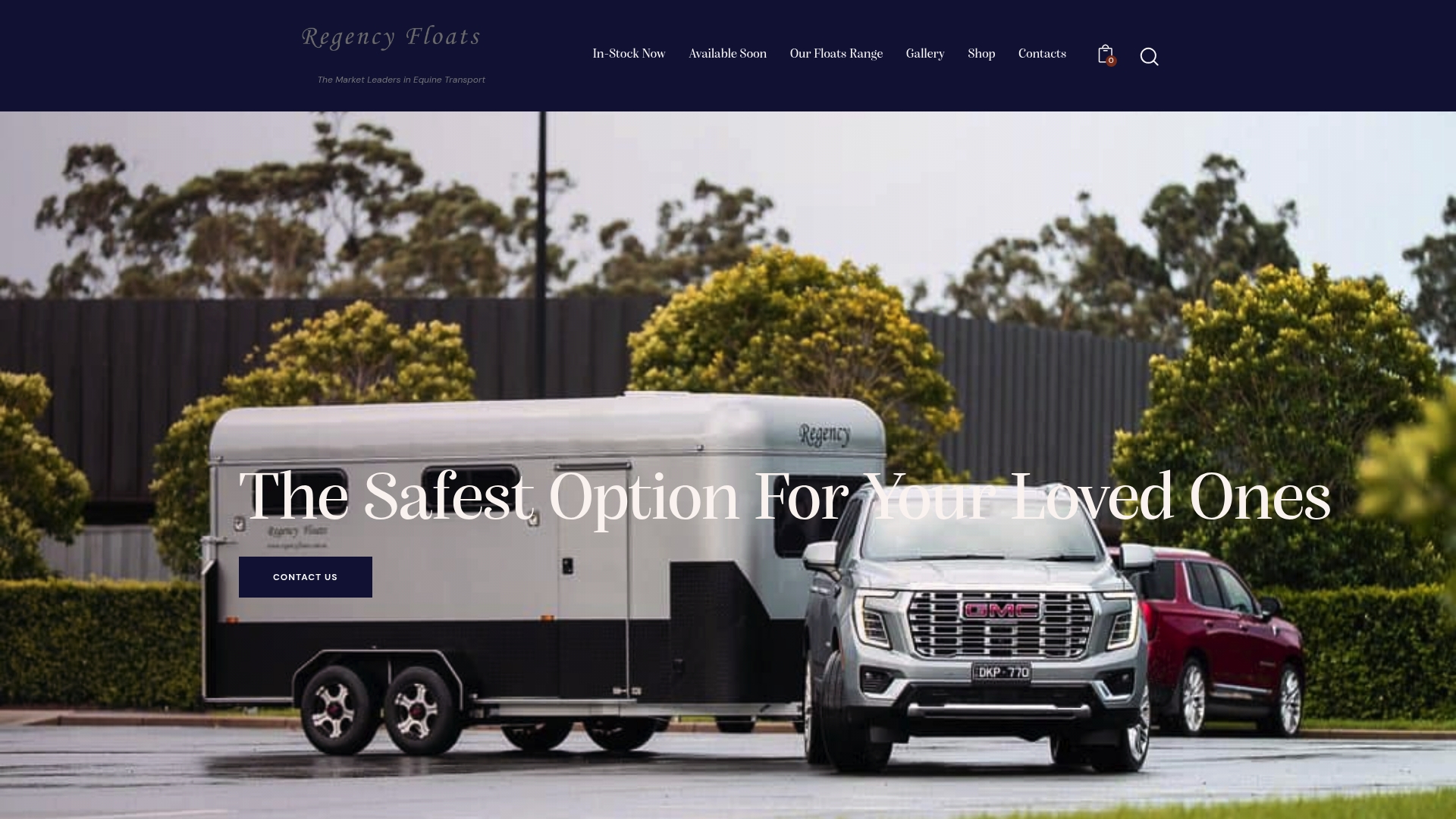
Regencyfloats has been building horse floats in Australia for over 40 years. Their floats feature advanced safety technology, European-designed interiors, and flooring systems backed by a ten-year warranty. Every float is built to meet Australian transport standards, which matters directly for insurance compliance. Whether you are in Queensland, Western Australia, South Australia, or Tasmania, Regencyfloats offers
in-stock floats with nationwide delivery. If you are looking for a larger option, their
3-horse float range is worth reviewing before your next purchase.
FAQ
What does horse float insurance cover?
Horse float insurance covers physical damage to the float from collision, fire, theft, and storms, plus third-party liability for property damage and bodily injury. It does not cover the horses inside the float or any veterinary costs.
Does my car insurance automatically cover my horse float?
In some cases, a towing vehicle’s third-party liability extends to a trailer, but physical damage to the float itself is rarely included. Always confirm this explicitly with your insurer before assuming coverage exists.
Do I need separate insurance for the horses during transport?
Yes. Horse float policies cover the vehicle, not the animals. A standalone equine mortality and transit policy is required to cover horse injuries, emergency vet fees, and loss of the animal during transport.
Can I use a private float insurance policy for commercial transport?
No. Using a private policy for commercial hire and reward transport invalidates coverage. Commercial transport requires a dedicated commercial policy that declares the hire and reward activity.
How much does horse float insurance cost in Australia?
Standard trailer insurance typically costs $100–$400 per year for basic units. Specialized or high-value floats with living quarters can cost $800–$5,000 annually, depending on the float’s value and the coverage limits selected.
Recommended
Article generated by BabyLoveGrowth 

