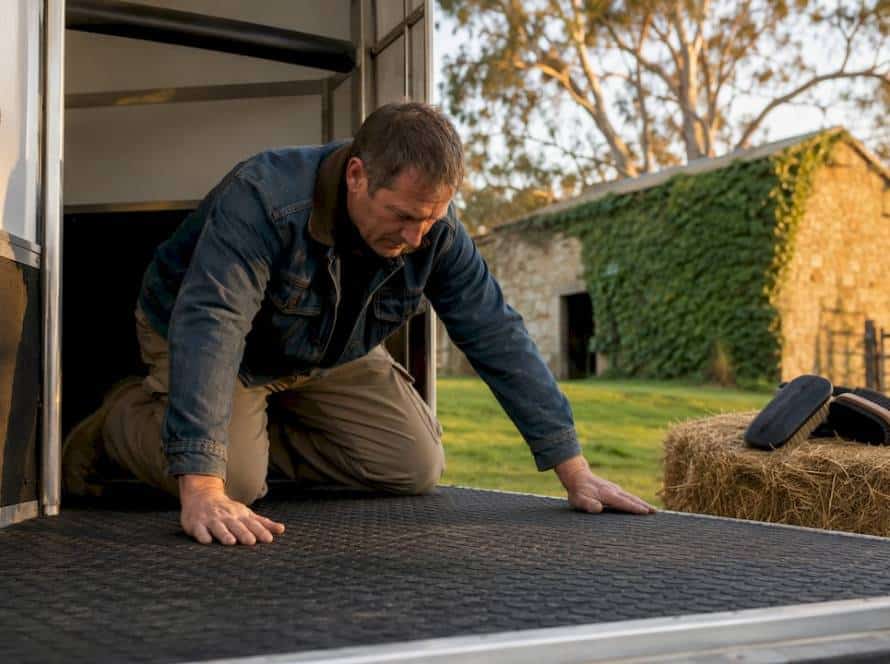
The best horse float storage ideas share one quality: they treat organization as a safety practice, not just tidiness. When gear shifts during transit, it becomes a hazard. When you can’t find your first-aid kit at a show, seconds matter. The solutions below are practical, proven, and built around how Australian equestrians actually use their floats.
Quick wins to start with:
- Mount pegboards or wall grids to keep brushes, halters, and lead ropes off the floor
- Use clear, labeled bins secured with heavy-duty Velcro or bungees for feed and small gear
- Create four distinct zones: horse gear, human gear, feed, and emergency supplies
- Fit saddle racks and wire panels for tack rather than stacking it loose
- Fasten every item with industrial-strength hardware, not household adhesives
- Keep floor areas clear and non-slip mats accessible at all times
1. Pegboards and hook configurations for brushes and halters
Wall-mounted pegboards are the most flexible storage upgrade you can make. Arrange hooks in rows sized to your gear: larger J-hooks for halters and lead ropes, smaller ones for brushes and hoof picks. The key is screwing the pegboard into structural framing rather than just the wall panel, so it holds weight on rough roads.
2. Magnetic strips for metal tools
A magnetic tool strip, the kind sold at hardware stores for workshop use, mounts flat against a wall and holds metal tools without rattling. Farrier tools, hoof picks, and small wrenches stay put and stay visible. It saves more space than a drawer and costs a fraction of custom cabinetry.
3. Stackable labeled bins secured for transit
Clear totes beat opaque ones because you can identify contents without opening them. Label each bin with a printed card or a label maker, then secure the stack with a bungee cord looped through a D-ring bolted to the wall. One bin per category: feed supplements, first aid, grooming, and spare hardware.
4. Modular shelving adaptable to your float size
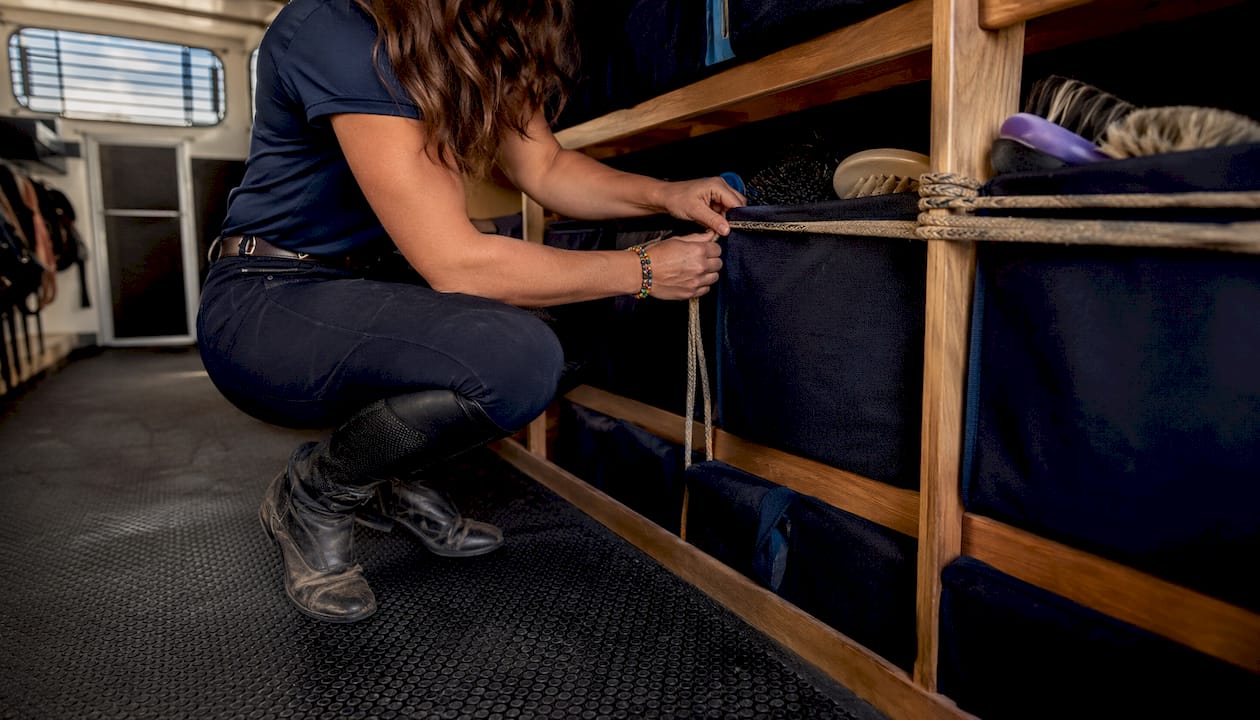
Lightweight aluminum shelving units, available from camping and trade suppliers across Australia, bolt to wall studs and adjust in height. Unlike fixed timber shelves, you can reconfigure them as your gear list changes. Keep the heaviest items on the lowest shelf to maintain a low center of gravity during towing.
5. Wire panels and saddle racks for tack storage
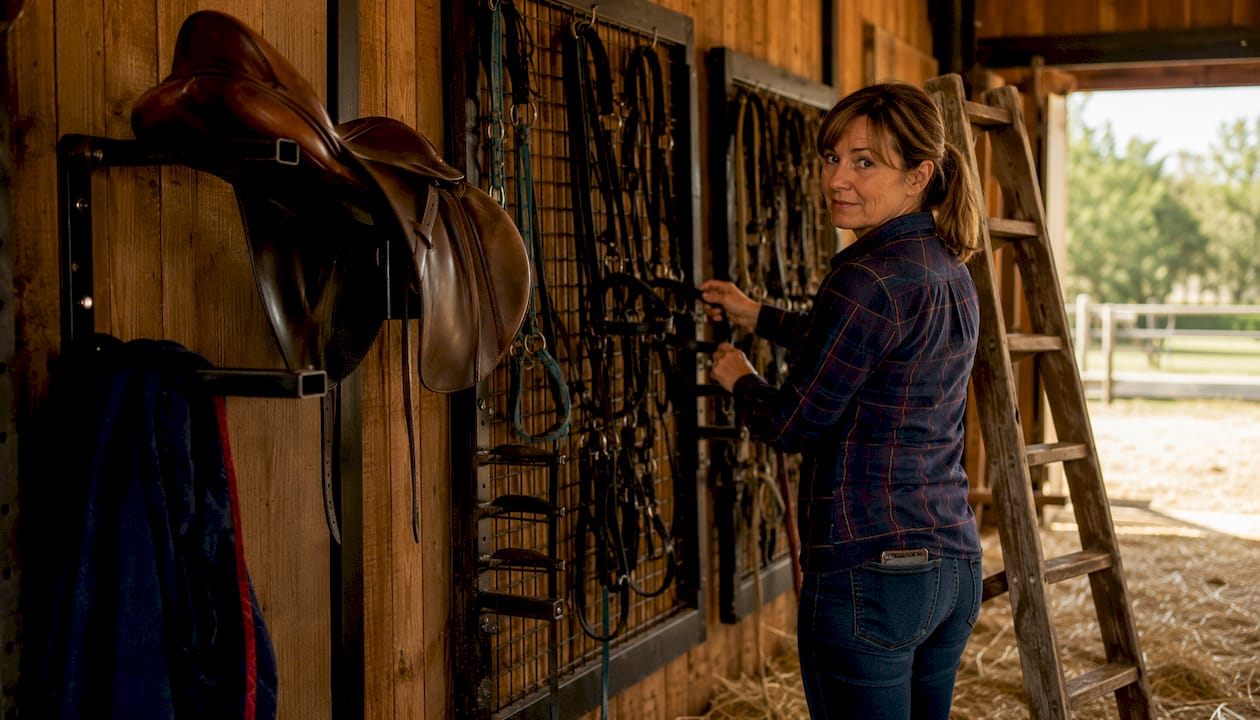
A wall-mounted saddle rack keeps your saddle off the floor and away from hooves. Wire grid panels, similar to those used in retail displays, attach to walls and accept clip-on hooks, small baskets, and loops. They work especially well in the tack area of a 2-horse float where wall space is limited but vertical space is available.
6. Weatherproofing stored items against moisture and dust
Australian conditions range from coastal humidity to outback dust, and neither is kind to leather or electronics. Store leather tack in sealed plastic tubs with a silica gel packet inside. Line metal tool areas with a thin rubber mat to prevent condensation contact. Check door seals on storage compartments every few months and replace them when they start to compress unevenly.
7. Zoning your float for horse gear, human gear, feed, and emergencies
Dedicated zones reduce retrieval time and prevent cross-contamination. Put human clothing and show gear in one sealed compartment, horse equipment in another. Feed goes in a separate, rodent-resistant container. Your emergency kit, including a basic equine first-aid kit and a torch, should be in the most accessible spot, ideally near the entry door.
Pro Tip: Photograph your fully packed float before each trip. If something shifts or goes missing, you have a reference for exactly where it should sit.
8. Balancing weight distribution for safe towing
Storage placement directly affects towing stability. Heavy items like water containers and feed bags belong low and centered, close to the axle line. Lighter gear can go higher or toward the front. An unevenly loaded float pulls to one side under braking, which is uncomfortable for your horse and harder on your tow vehicle.
9. Using a dedicated compartment for soiled gear
Keeping soiled items separate from clean gear is a hygiene and odor issue, not just a preference. A lidded plastic trash can bolted to the floor works well for dirty wraps, used bedding samples, and sweaty gear. It contains the smell and keeps the rest of your storage clean until you get home.
Safety and maintenance practices that protect your gear and your horse
Pre-travel safety checks should include a quick scan of every storage area, not just the horse compartment. Confirm that bin lids are latched, saddle racks are locked, and nothing is sitting loose on a shelf. A five-minute walk-around before you pull out of the driveway catches most problems.
Industrial-strength fasteners, specifically rivets or heavy-duty Velcro rated for vibration, outlast standard adhesives on rough roads. Cabinet doors and drawers need positive-latching hardware, not magnetic catches, to stay closed under sustained vibration. Inspect all fittings every three months and replace anything that shows wear before it fails on the road.
Ventilation inside storage compartments matters more than most owners realize. Trapped moisture accelerates rust on metal fittings and mold on fabric gear. Leave compartment doors slightly ajar when the float is parked at home, and use mesh bags instead of sealed bins for items that need to breathe.
What Australian float manufacturers know about storage design
Regencyfloats brings over 40 years of manufacturing experience to float design, and that depth shows in how storage is integrated rather than added as an afterthought. Their floats combine European design principles with Australian durability standards, and the 10-year flooring warranty reflects genuine confidence in the materials underfoot, which matters when you’re bolting storage fixtures to the floor.
Other established Australian builders, including Peaceland Horse Floats, EuroFloat, Crisfloats, Otto Tuza’s VIP Floats, Rowville Horse Trailers, Pegasus Horse Floats, Pinnacle Horse Floats, and Discovery Floats, each bring their own approach to interior layouts. Rowville has built floats in Melbourne since 1982 with a focus on reducing horse anxiety. Pinnacle uses hot-dip galvanized chassis for long-term durability. Discovery Floats offers custom builds with kitchen and living options, with pricing available upon request. The common thread across all of them is that storage design is treated as part of the safety specification, not a cosmetic feature.
Keeping frequently used items within easy reach
Put the things you reach for most, such as your grooming kit, lead rope, and water bucket, closest to the entry point. A hook rail just inside the door handles the items you grab every time you stop. Deeper storage, harder to access, is where spare gear and emergency supplies live. This simple front-to-back logic saves time at every stop and prevents you from digging through the float while your horse waits.
Securing items during transit to prevent shifting or damage
Every loose item in a moving float is a potential projectile. Use bungee nets over open shelves, D-ring tie-downs for larger containers, and foam padding between hard items that sit next to each other. For saddles, a rack with a locking pin keeps the saddle from bouncing off on a corrugated road. Think of it the same way you’d think about securing a load on a ute: if it can move, it will.
Regencyfloats builds the storage in from the start
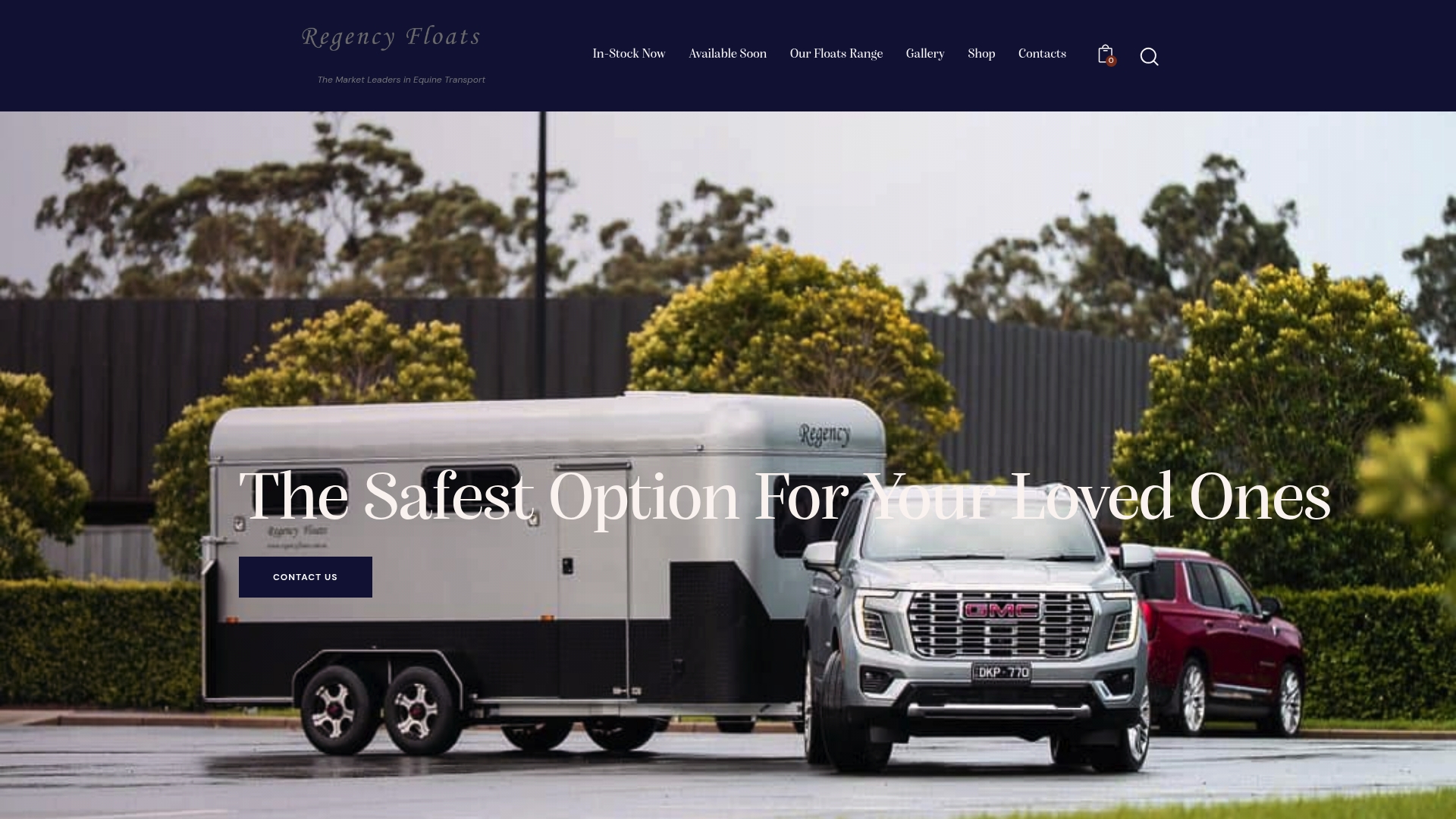
Retrofitting storage into an existing float works, but there’s a ceiling to what you can achieve. Regencyfloats designs storage into the float from the ground up, with customizable interior layouts, purpose-built tack areas, and fittings chosen for Australian road conditions. The front tack box is one example: a dedicated, lockable compartment that keeps your most valuable gear secure and accessible without eating into the horse area. With floats available for delivery across Australia, including Brisbane and Perth, you can browse the full range at regencyfloats.com.au and configure a layout that fits how you actually travel.
Key Takeaways
Good horse float storage starts with treating organization as a safety practice: secure fastening, clear zoning, and weight balance protect both your gear and your horse.
| Point | Details |
|---|---|
| Vertical space first | Pegboards, hook rails, and wall grids free up floor space and keep gear accessible. |
| Zone your float | Separate horse gear, human gear, feed, and emergency supplies to cut retrieval time and prevent contamination. |
| Fasten everything firmly | Industrial-strength rivets and positive-latching hardware prevent storage failures on rough roads. |
| Balance your load | Heavy items belong low and centered near the axle to maintain towing stability. |
| Regencyfloats | Offers customizable interiors with purpose-built storage, a 10-year floor warranty, and delivery across Australia. |